
Nestled in the eastern edge of Richmond, Virginia, Gravel Hill is a neighborhood with a story as enduring and rich as the soil beneath its feet. While not as widely celebrated as some of the city's downtown enclaves, Gravel Hill’s tapestry is woven with resilience, history, and a welcoming spirit that continues to shape its destiny. From its post-Civil War beginnings to its present-day sense of pride, Gravel Hill stands as a quiet testament to the legacy of African American communities in central Virginia.
The Origins of Gravel Hill
Gravel Hill traces its foundations to the years following the Civil War—a time of seismic change in Richmond and the South. As formerly enslaved African Americans sought to build new lives, a number of freedmen’s communities sprang up beyond the city center. Gravel Hill was established in the 1870s, taking its place among these beacons of self-determination and mutual aid.
The area owes its name to its distinctive terrain. Early residents, laborers and tradespeople, noted the abundance of gravel and rocky soil that dotted the gentle rolling hill rising above Turkey Island Creek—a feature that not only shaped local agriculture but also inspired the neighborhood’s moniker. Bounded by roads like Charles City Road and Long Bridge Road, this modest landscape became fertile ground for a thriving, close-knit settlement.
Key Historical Milestones
Gravel Hill developed quietly but decisively across the late 19th and early 20th centuries. Life revolved around family, church, and small-scale farming. As Jim Crow laws and segregation pressed upon Richmond’s Black communities, Gravel Hill’s residents built their own institutions—safe havens founded on faith and fellowship.
- The Gravel Hill Baptist Church: Perhaps the heart of the neighborhood is the Gravel Hill Baptist Church, founded in 1866. The original church, a small wood-frame structure on Charles City Road, served as not only a religious institution but also a vital gathering place for education, organizing, and communal support. The present brick church, completed in 1924, still welcomes worshipers and visitors, hosting homecoming celebrations and community events that echo with the laughter and prayers of generations.
- The Gravel Hill School: Education held a special importance from the earliest days. The little Gravel Hill School, operating into the mid-1900s, gave children in the area their first lessons in reading, writing, and arithmetic—sometimes in the same sanctuary where they worshiped on Sundays. The two-room schoolhouse, no longer standing but lovingly remembered, was a proud symbol of the neighborhood’s independence and aspirations.
- Cultural Traditions: Each May, the neighborhood’s annual Homecoming event brings together families from near and far. Started by former residents looking to preserve community bonds, this all-ages reunion includes gospel singing, home-cooked meals, and storytelling beneath the shade of old oaks—a reminder that migration never truly severs a person from their roots.
Notable Landmarks and Buildings
While Gravel Hill is defined as much by its people and stories as by its structures, several landmarks anchor its sense of place:
- Gravel Hill Baptist Church (2600 Gravel Hill Road): An enduring symbol of faith and outreach, the church’s distinctive red-brick façade and historic cemetery reflect 150 years of neighborhood continuity.
- Turkey Island Creek: On the edge of the community runs Turkey Island Creek, whose waters nourished farms and gardens for generations.
- Family Homesteads: Scattered along Charles City Road and Gravel Hill Road, original family homesteads—some lovingly restored—offer glimpses into the vernacular architecture of rural Black communities in Virginia. Modest farmhouses with deep porches and weathered barns recall a time of communal labor and shared harvests.
Evolution Over the Decades
Over time, like so many rural neighborhoods outside Richmond, Gravel Hill changed as the world beyond its boundaries grew busier. The encroachment of highways and suburban sprawl brought both challenges and opportunities:
- After World War II, younger residents began moving to the city for jobs, drawn by new industries and the promise of upward mobility.
- Farmland gave way to new homes, and by the 1980s, Gravel Hill saw fresh faces joining old families—a blend that enriched, rather than erased, the neighborhood’s character.
- Despite the pressure of modern development, longtime residents have fiercely protected Gravel Hill’s unique identity. Historic preservation initiatives, led by community elders and volunteers, have worked to document oral histories, restore cemetery grounds, and mark significant sites as part of Henrico County’s broader cultural map.
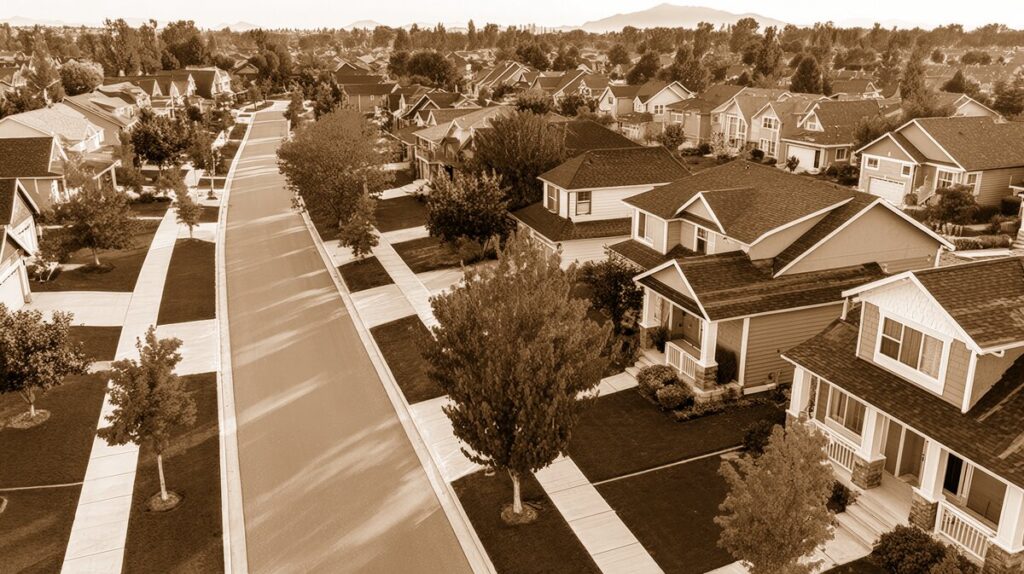
Today, the neighborhood retains a rural flavor, with wide lawns and mature trees lining the streets from Gravel Hill Road to the corners of Darbytown and Long Bridge roads. Local organizations and churches continue to mentor youth and offer outreach programs, ensuring that the values which built Gravel Hill—resilience, faith, and hospitality—remain strong.
What Makes Gravel Hill Special
As any longtime resident will tell you, Gravel Hill is a place where everyone is family, whether your people have lived here for a century or you’ve just moved in. It’s a neighborhood where history isn’t a relic, but a living thread—stitched into every porch gathering, homecoming picnic, and Sunday service.
Highlights that set Gravel Hill apart:
- A strong tradition of community self-sufficiency: From its earliest days, residents relied on shared effort and mutual support to build and maintain essential services—much of this tradition survives in neighborhood beautification days and collective problem-solving.
- Remarkable oral history: Elders keep the stories alive, passing down memories of farm life, church picnics, and local heroes whose names seldom appear in history books but loom large in the hearts of their friends and neighbors.
- A peaceful rural atmosphere: Unlike some busier corners of Henrico County, Gravel Hill’s scenery invokes the quiet pace of an earlier time, making it ideal for those who value rootedness and fellowship.
Preserving a Legacy
Gravel Hill’s heritage is part of a wider network of African American historic communities in Virginia, offering lessons in perseverance, unity, and grace. The neighborhood’s elders, churches, and families remain its best advocates—ensuring that Gravel Hill’s legacy inspires future generations, and its story adds a vital chapter to the book of Richmond’s history.
For newcomers and old friends alike, Gravel Hill is a rare gem—rich in memory, strong in spirit, and ever welcoming to those who wish to share its journey.